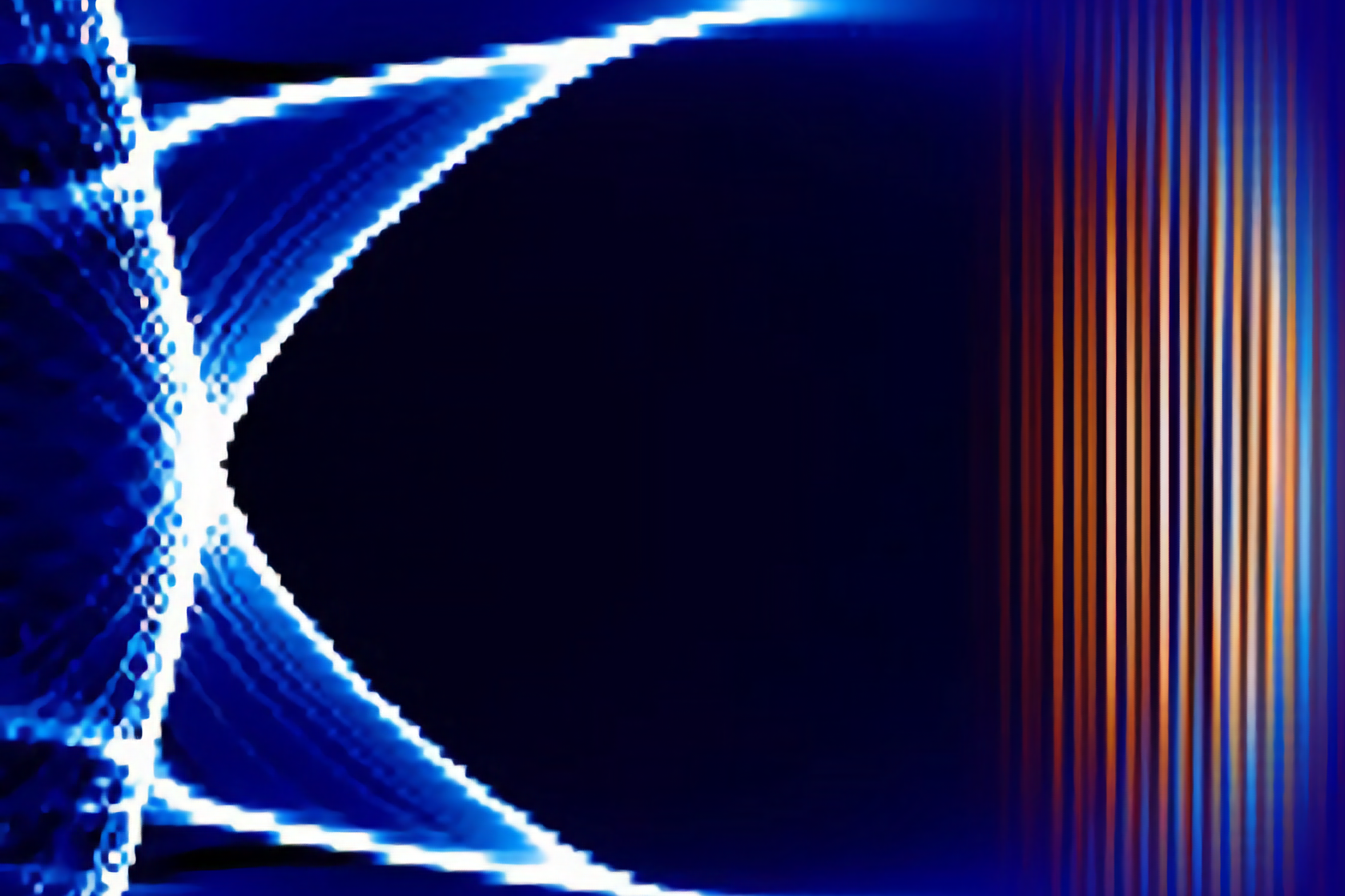
Particle Acceleration and Advanced Light Sources
Accelerating particles in a fraction of the space today’s machines require.

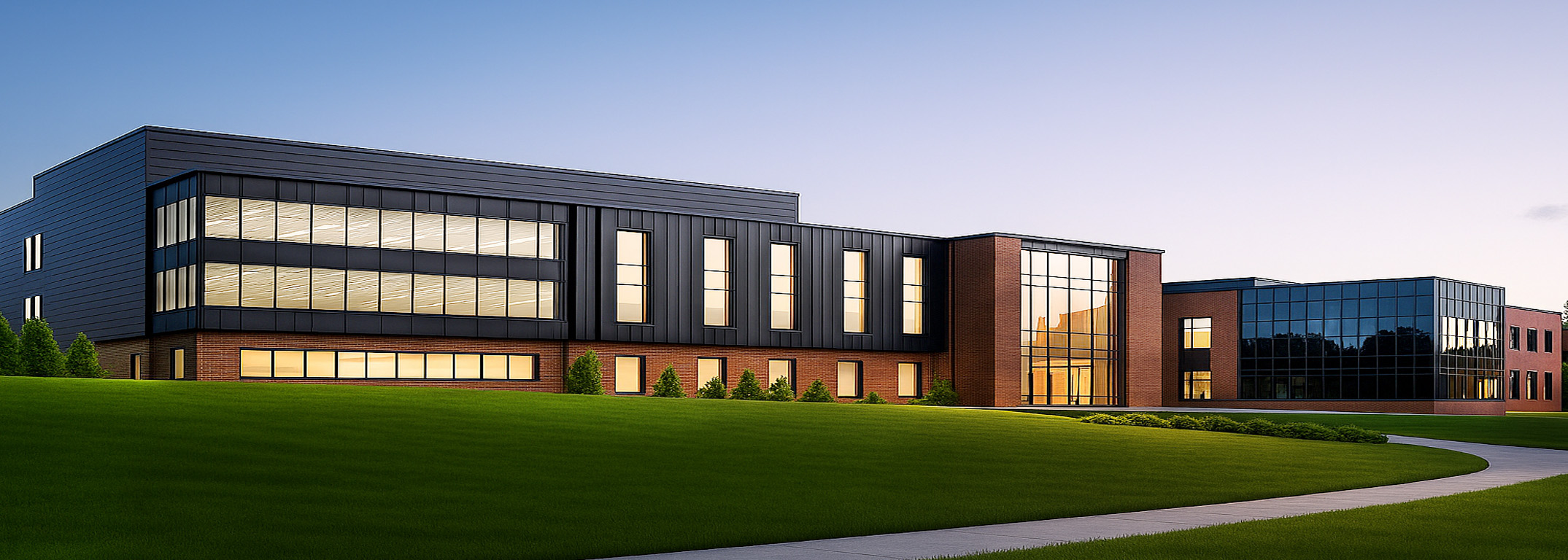
NSF OPAL
Groundbreaking Science | Workforce Development | Transformational Technology

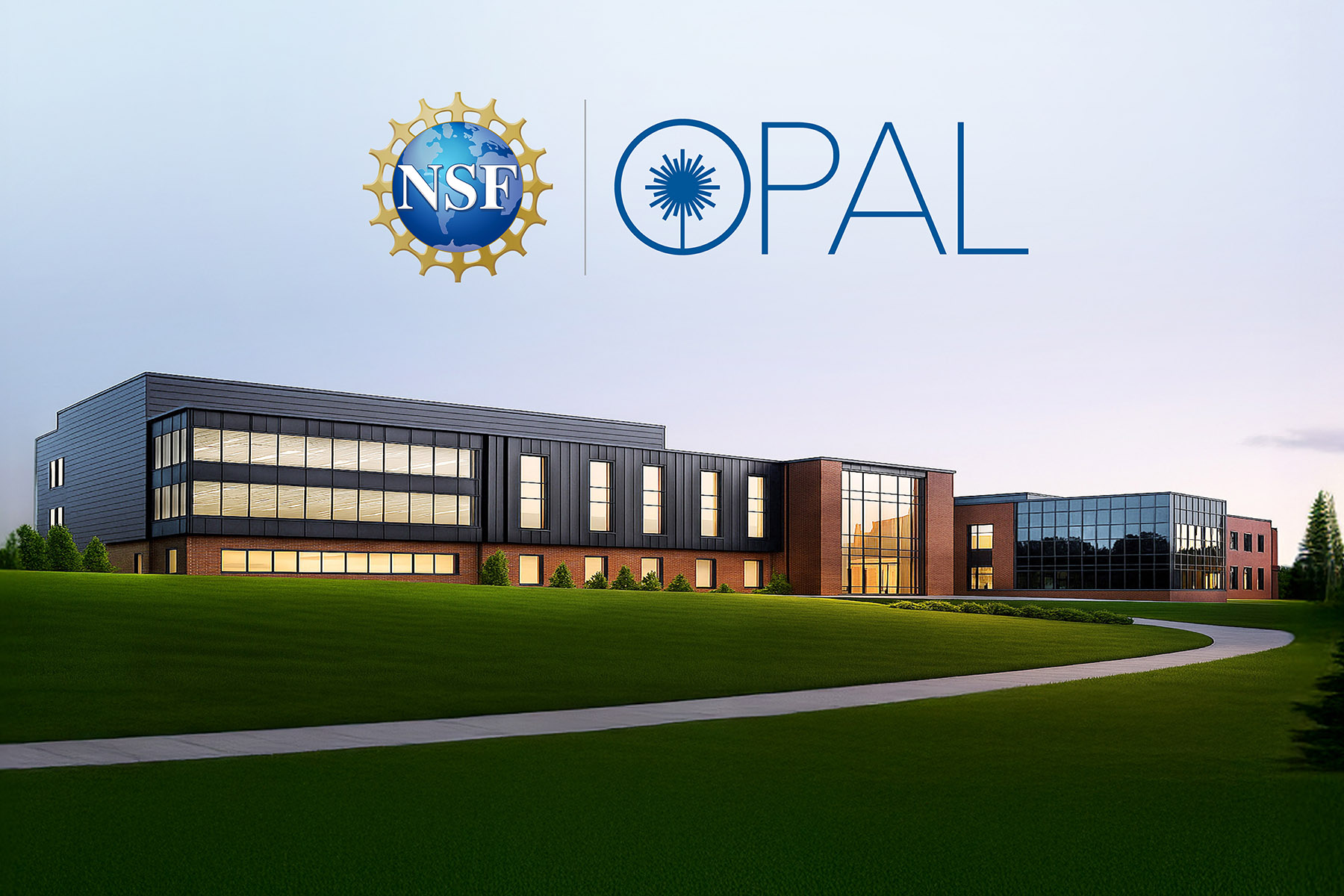
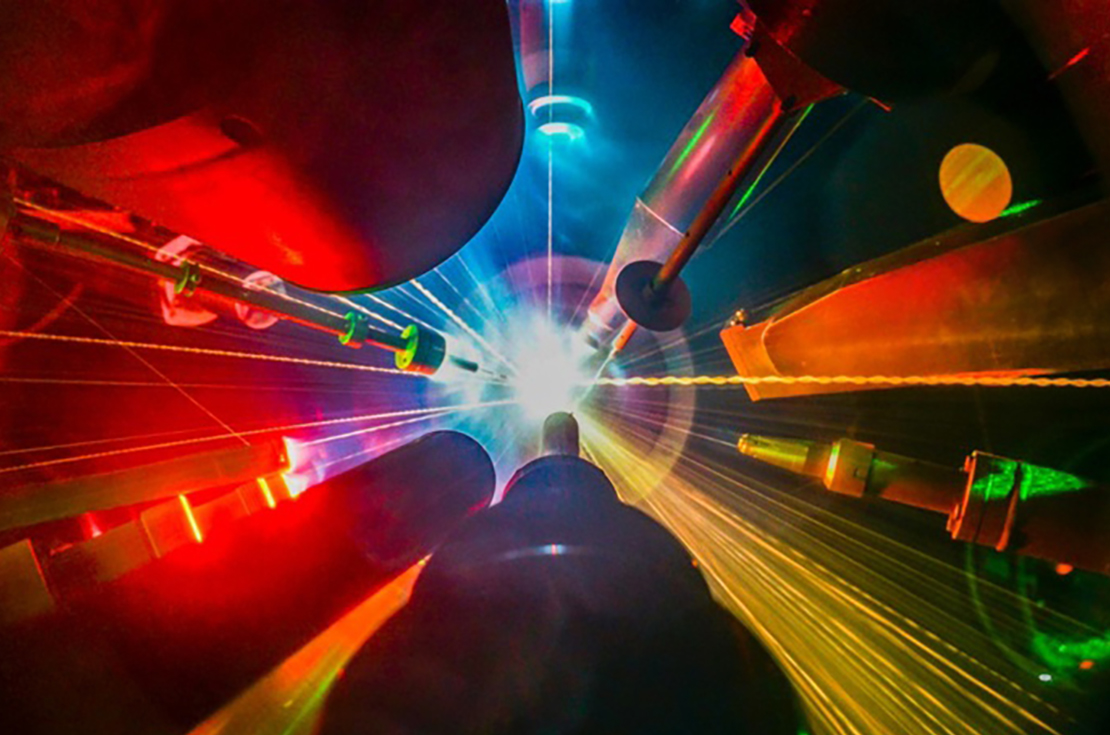
The NSF OPAL facility is envisioned to serve as a learning environment and hub for diverse scientific networks, offering opportunities for fundamental research, innovation, and societal benefit. Funding from the U.S. National Science Foundation is supporting the design of two 25-petawatt lasers using optical parametric chirped-pulse amplification, as well as associated experimental and diagnostics systems.
Accelerating particles in a fraction of the space today’s machines require.

Testing what happens when light is intense enough to make matter from empty space.
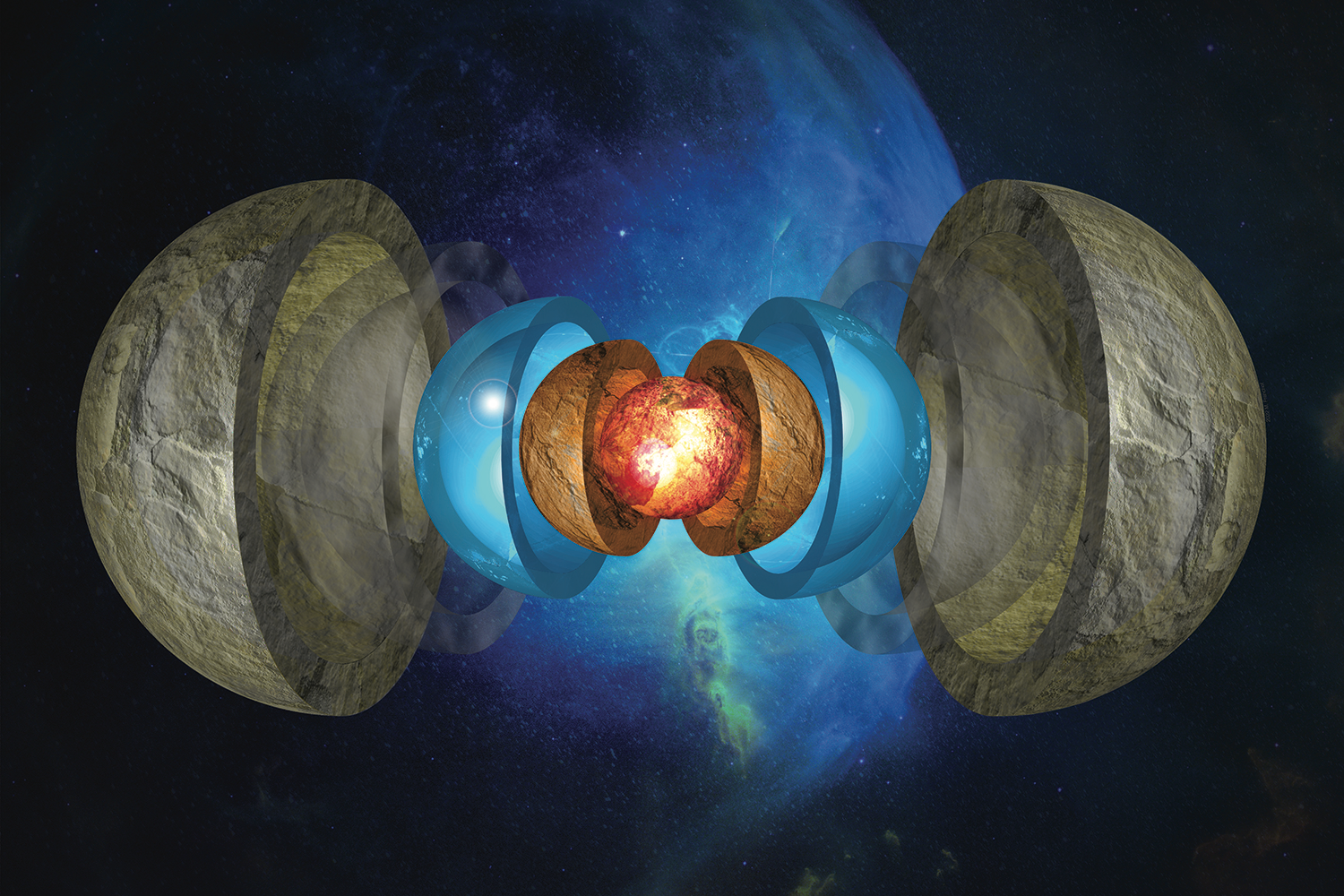
Recreating the conditions inside planets and stars.

Using lasers to drive nuclear reactions and trace how the elements formed.
Sign up for our mailing list to stay up to date on NSF OPAL developments.
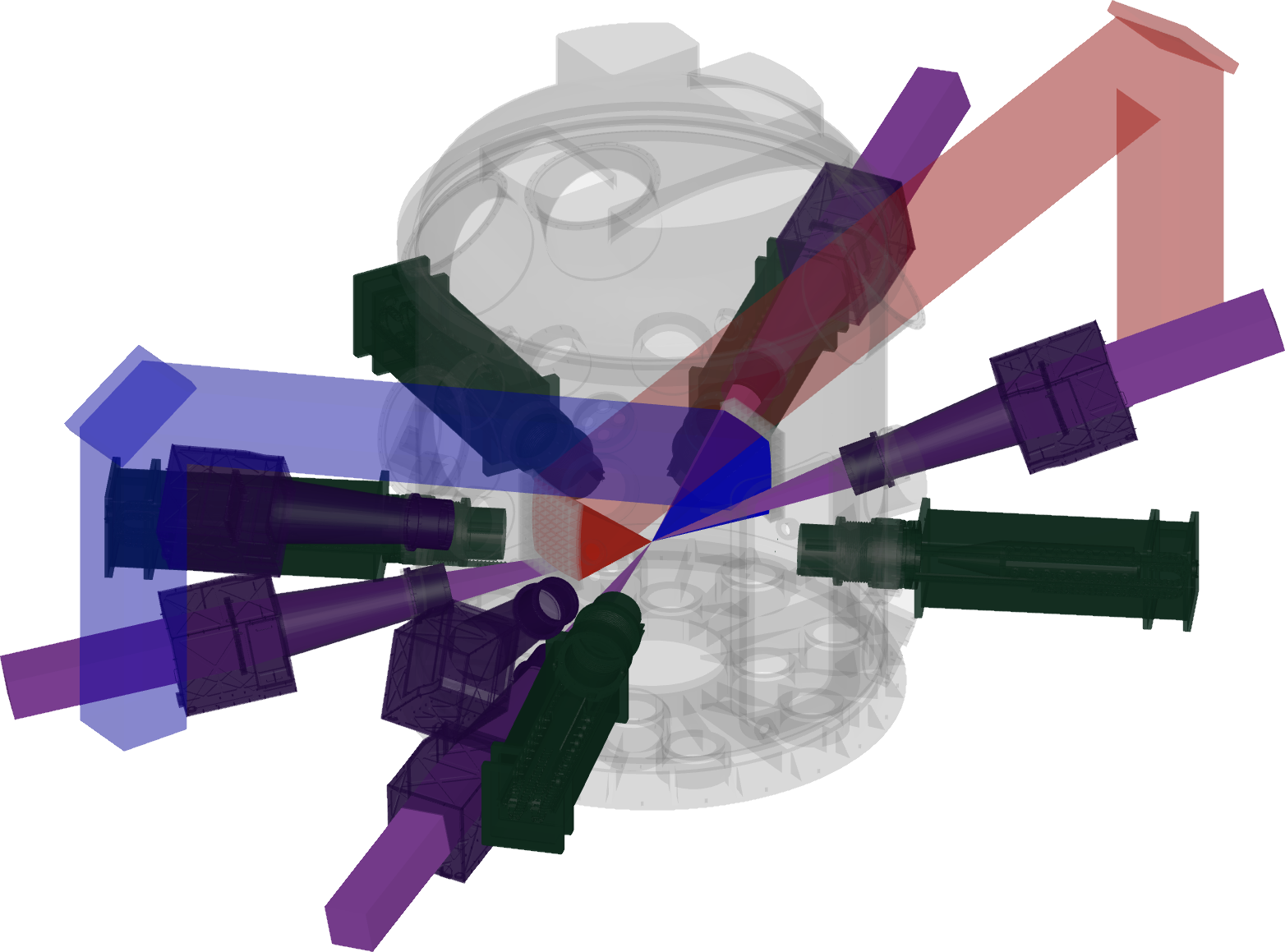
Rotate, zoom, and explore the chamber layout, beam paths, and diagnostic ports.








This material is based upon work supported by the U.S. National Science Foundation under Award No. PHY-2329970 and Award No. PHY-2627873. Any opinions, findings and conclusions or recommendations expressed in this material are those of the author(s) and do not necessarily reflect the views of the U.S. National Science Foundation.